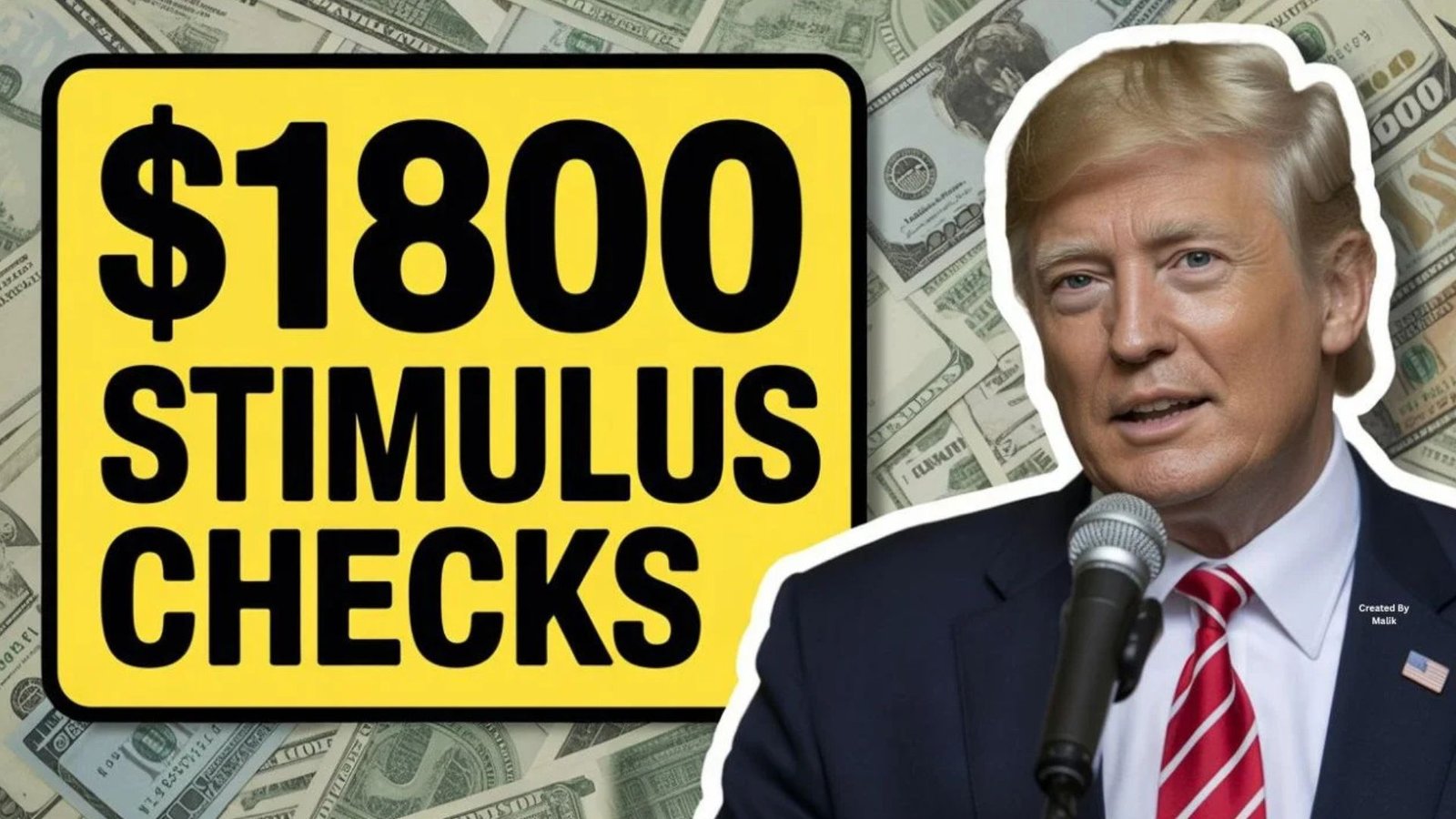
In the world of personal finance, nothing spreads faster than news of free money from the government. Lately, social media has been buzzing with claims about a new $1,800 stimulus check from the Internal Revenue Service (IRS) in 2025. People are sharing posts promising quick cash to help with rising costs like groceries and bills. But is this real, or just another round of hype?
we’ll break it down in simple terms—no confusing jargon here. We’ll cover what we know (and don’t know) about eligibility rules, possible payment timelines, and smart steps to protect yourself from scams. Whether you’re a busy parent, a retiree on a fixed income, or just trying to make ends meet, this article has the straightforward info you need to sort fact from fiction.
Published on November 30, 2025—right as the year winds down and tax season looms—this update draws from official IRS statements and expert fact-checks. Let’s dive in and clear up the confusion.
Understanding the Buzz Around the 2025 Stimulus Check
Stimulus checks, also called economic impact payments, are one-time cash boosts from the government to help folks during tough times. Remember the COVID-19 relief in 2020 and 2021? Those sent billions to Americans to cover lost wages and essentials. Now, with inflation still biting and economic worries lingering, online rumors suggest a fresh round: $1,800 per person in 2025.
The catch? As of late November 2025, there’s no official IRS plan or new law greenlighting this payment. Viral videos and posts claim it’s “imminent,” but fact-checkers from sites like Snopes and PolitiFact label these as misleading. One wild idea floating around ties payments to new trade tariffs, but that’s just a proposal—not a done deal. No bill has passed Congress, and the IRS website shows zero announcements.
Why the hype? Social media algorithms love “shocking” headlines, and scammers exploit it by asking for your bank details or Social Security number to “claim” your check. The good news? Staying informed can save you headaches (and money). Even without a confirmed payout, knowing how these programs work helps you prep for any future relief.
Who Might Qualify? Simple Breakdown of Potential Rules
If a $1,800 stimulus check does get approved in 2025, eligibility would likely mirror past programs but with tweaks for today’s economy. The IRS bases these on your tax records, so filing on time is key. Here’s a no-fuss look at who could be in line:
Basic Requirements for Most People
- Citizenship and Residency: You must be a U.S. citizen or a legal resident with a valid Social Security Number (SSN). No SSN? You might still qualify if you’re eligible for certain tax credits.
- Income Limits: Expect a cap on your adjusted gross income (AGI)—that’s your total earnings minus deductions. Past checks cut off around $75,000 for singles or $150,000 for couples, but 2025 could adjust higher to help more middle-class families.
- Tax Filing Status: You need to have filed your 2024 federal tax return (or be a non-filer who qualifies for benefits like the Earned Income Tax Credit). Dependents, like kids claimed on a parent’s return, usually don’t get their own check.
- Age and Family Factors: Adults of all ages could qualify, but extras might go to seniors over 65 or families with kids under 18. Veterans or those on programs like SNAP (food stamps) might get priority.
Special Groups to Watch
Not everyone fits the standard mold. Here’s a quick table summarizing potential extras:
| Group | Possible Boost | Why It Matters |
|---|---|---|
| Seniors (65+) | Up to $500 extra | Covers higher medical costs; past checks included this. |
| Families with Kids | $600 per child | Helps with school and childcare expenses. |
| Low-Income Workers | Full $1,800 if AGI under $50,000 | Targets those hit hardest by inflation. |
| Disabled Individuals | Automatic inclusion | Ties into existing benefits like SSI. |
| Veterans | Priority processing | Honors service with faster payments. |
These are educated guesses based on history—no final rules exist yet. If you’re unsure about your status, use the IRS’s free tool at irs.gov to check past eligibility.
When Could Payments Hit Your Bank? A Realistic Timeline
No dates? No problem—let’s map out a hypothetical schedule if Congress acts fast. Past rollouts started weeks after approval, prioritizing electronic transfers to speed things up.
Step-by-Step Payment Process
- Law Passes: Imagine a bill signs in early 2026—payments could launch by spring.
- Direct Deposit: Fastest option. If your bank info is on file from taxes, expect money in 2-4 weeks.
- Paper Checks or Cards: For non-digital folks, add 2 more weeks (4-6 total). Mailed to your latest IRS address.
- Notifications: The IRS sends a letter or updates your online account. No spam emails—stick to official channels.
Exact dates? Zilch for now. Mid-November 2025 IRS updates confirm: No new checks scheduled. Watch for announcements on irs.gov or your “Where’s My Refund?” tool.
How to Get Ready: Easy Steps to Avoid Missing Out
Even in rumor mode, prep now to cash in later. Here’s your action plan:
- File Taxes Early: Submit your 2024 return by April 15, 2025 (or sooner). It unlocks automatic payments.
- Update Your Info: Log into IRS.gov to verify bank details and address. Wrong info = delayed checks.
- Spot Scams: Ignore texts or sites demanding fees to “register.” Real IRS contact comes via mail, not pop-ups.
- Build a Buffer: Stash any windfalls in a high-yield savings account. Tools like Mint or YNAB make tracking simple.
- Stay Alert: Follow IRS Twitter (@IRSnews) or subscribe to newsletters for real-time updates.
Taking these steps costs nothing but time—and could net you thousands if relief hits.
The Truth Behind the Hype: No Guarantees, But Hope Lingers
Let’s be real: The $1,800 check is vaporware right now. No law, no dates, no deposits. Claims of $1,390 or $2,000 variants? Same story—unverified fluff from TikTok and Facebook. But history shows stimulus can surprise us; the 2021 child tax credit came out of nowhere and helped 65 million kids.
Economists point to ongoing issues like 3% inflation and job market wobbles as reasons for potential aid. If tariffs or a recession bill passes, 2025 could deliver. Until then, focus on budgeting basics: Cut subscriptions, meal prep, and side gigs via apps like Upwork.
Conclusion: Empower Yourself Against the Rumors
The 2025 IRS stimulus check saga reminds us: Free money sounds great, but facts beat frenzy. With no confirmed $1,800 payout, don’t hold your breath—but do file those taxes and dodge the scammers. By understanding eligibility basics, prepping your finances, and relying on official sources, you’re set for whatever comes next. Knowledge is your best stimulus. Got questions? Drop them below or chat with a free tax advisor at VITA (irs.gov/vita). Here’s to a brighter, buffer-filled 2026!